
Dental Implant Liverpool
A secure, fixed solution for replacing a full arch of missing or failing teeth.
All-on-6 dental implants offer a way to replace an entire upper or lower set of teeth using six strategically placed dental implants. These implants support a fixed replacement bridge, helping restore your ability to eat, speak and smile with confidence.
If you have several missing teeth, loose dentures or teeth that cannot be saved, All-on-6 treatment may be an option worth exploring.
Book Your Implant Consultation

All-on-6 is a full-arch dental implant treatment designed for people who need to replace most or all of their teeth in the upper or lower jaw.
The treatment uses six dental implants placed into the jawbone to support a fixed bridge of replacement teeth. Rather than replacing each missing tooth individually, the six implants work together to support a complete arch of teeth.
The replacement bridge is designed to look and function like natural teeth. Unlike conventional removable dentures, an All-on-6 restoration is fixed in place and is not removed by the patient for everyday cleaning.
The treatment can be considered for one arch or both arches, depending on your dental condition and treatment goals.
All-on-6 treatment uses six titanium dental implants as artificial tooth roots. These implants are carefully positioned in the jawbone to provide support for a full set of replacement teeth.
The treatment generally involves:
01
Six implants are positioned in the jaw to provide support for the replacement bridge.
02
The implants need time to bond with the surrounding bone through a process called osseointegration.
03
A custom-made bridge is attached to the implants once the appropriate healing and stability requirements have been met.
In suitable cases, a temporary fixed set of teeth may be provided during the healing period. Your dentist will explain whether this is possible following an assessment.
A personalised treatment plan will depend on your oral health, bone condition and individual requirements.
Step 1
Your dentist will examine your teeth, gums and overall oral health. You can discuss your concerns, expectations and whether All-on-6 treatment is appropriate.
Step 2
A CBCT scan may be used to assess your jawbone, identify important anatomical structures and plan the position of the six implants.
Step 3
The six dental implants are surgically placed into the jawbone. Any necessary extractions or additional procedures will be discussed before treatment.
Step 4
Where clinically suitable, a temporary fixed bridge may be attached while the implants heal.
Step 5
The implants gradually integrate with the jawbone. This process provides the foundation needed to support your final replacement teeth.
Step 6
Once healing is complete and implant stability has been confirmed, your custom-made permanent bridge is fitted.
All-on-6 treatment can offer several benefits for people who need a complete replacement of their upper or lower teeth.
Your replacement teeth are secured to dental implants rather than resting loosely on your gums like conventional dentures.
Six implants provide multiple support points to hold the replacement bridge and distribute biting forces.
Your replacement teeth are custom-designed to complement your facial features and smile.
A fixed implant-supported bridge can help you enjoy speaking and eating with greater confidence.
With appropriate oral hygiene and regular dental maintenance, implant-supported teeth can provide a long-term solution.
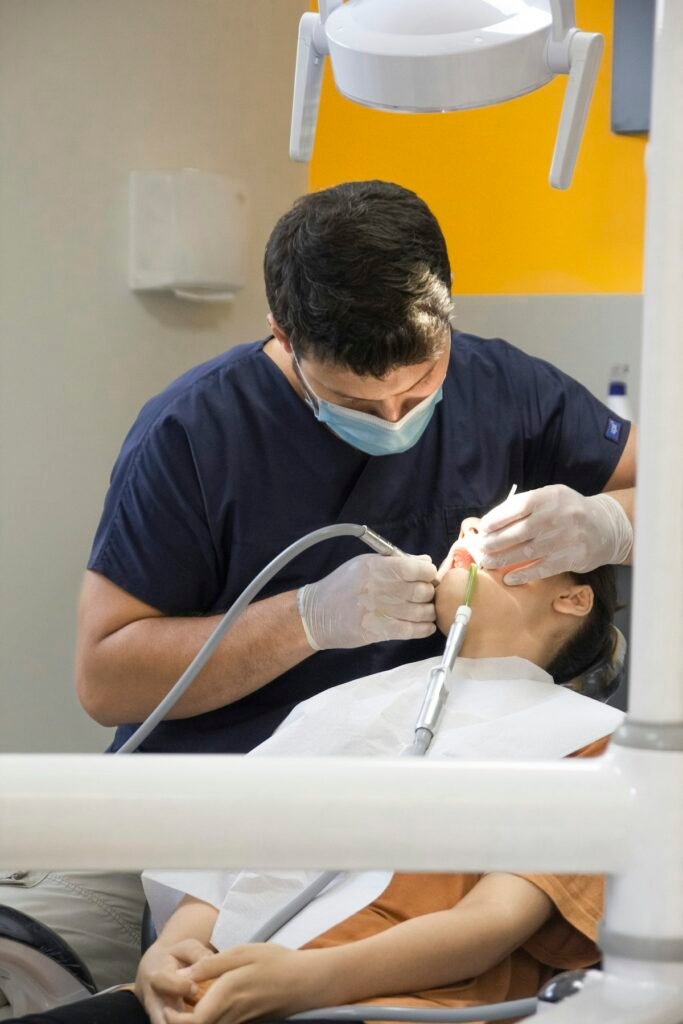
All-on-6 dental implants may be suitable if you:
Your suitability will depend on several factors, including your jawbone condition, gum health, medical history and bite.
If you have experienced bone loss, additional procedures such as bone grafting may be considered. Your dentist will assess your condition and explain the available options before recommending treatment.
Both All-on-4 and All-on-6 are full-arch dental implant treatments designed to replace a complete set of teeth using a fixed bridge.
The main difference is the number of implants used to support the replacement teeth.
Feature
All-on-4
All-on-6
Number of implants
4
6
Replacement teeth
Full arch
Full arch
Support points
Four
Six
Bone requirements
Can use angled implants to utilise available bone
Requires suitable bone distribution for six implants
Treatment planning
Based on individual anatomy
Based on individual anatomy
Neither treatment is automatically better for everyone. All-on-6 provides two additional implant support points, but the best option depends on your bone volume, jaw structure, bite and overall dental health.
A detailed clinical assessment and 3D scan can help your dentist determine which approach is appropriate.
If you currently wear removable dentures, you may be considering a more stable alternative.
All-on-6 implants and traditional dentures work differently.
Feature
All-on-6 Implants
Traditional Dentures
Placement
Fixed to dental implants
Removable
Stability
Secured in place
May move during eating or speaking
Daily cleaning
Cleaned in the mouth
Removed for cleaning
Surgery
Requires implant surgery
Does not require implant surgery
Bone support
Implants transfer forces to the jawbone
Do not provide the same direct implant support
All-on-6 may be worth considering if you want fixed replacement teeth rather than removable dentures. However, traditional dentures remain a suitable option for some patients.
All-on-6 dental implants are designed as a long-term tooth replacement solution. The titanium implants integrate with your jawbone and provide support for the replacement bridge.
However, the implants and the replacement teeth are different components, and both require ongoing care.
The lifespan of your treatment depends on factors such as:
Although implants can last for many years, the bridge or individual components may require maintenance, repair or replacement over time.

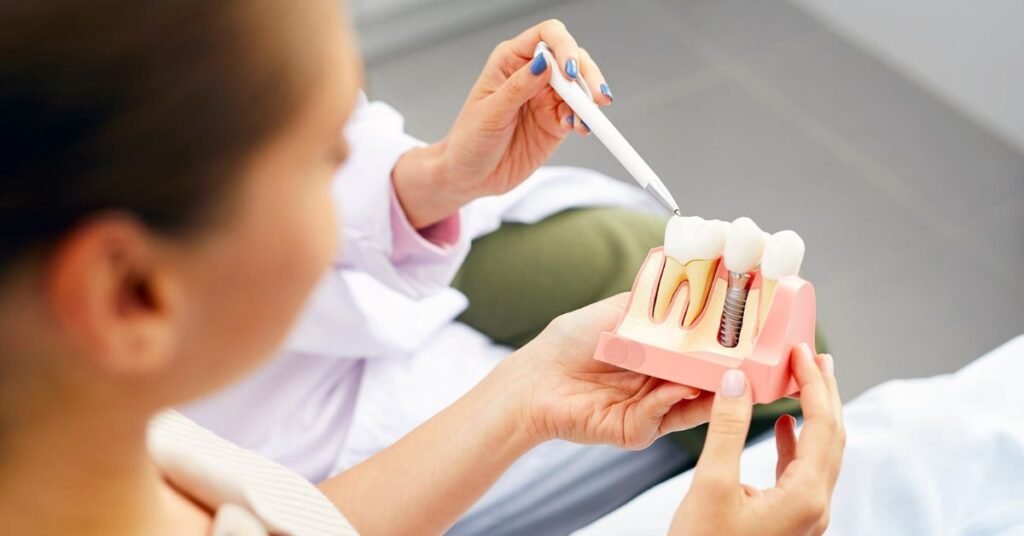
Recovery varies from person to person. You may experience some swelling, tenderness or discomfort following implant surgery. These symptoms generally improve as the surgical area heals.
Your dentist will provide specific aftercare instructions to support recovery.
During the healing period, you may need to:
The implants need time to integrate with the jawbone before your final bridge can be fitted. The overall treatment timeline depends on your healing and individual treatment plan.
Although your replacement teeth cannot develop tooth decay like natural teeth, the surrounding gums and tissues still need proper care.
To maintain your All-on-6 implants:
01
Brush your teeth twice daily using a suitable toothbrush.
02
Clean underneath the implant-supported bridge using recommended interdental brushes or specialist cleaning aids.
03
Follow your dentist’s advice on using a water flosser if appropriate.
04
Attend regular dental and hygiene appointments.
05
Contact your dental team if you notice discomfort, bleeding, looseness or changes around your implants.
Good daily cleaning and professional monitoring are important for maintaining the health of your dental implants.
Like any surgical dental procedure, All-on-6 implant treatment carries some risks. These can vary depending on your oral health and individual circumstances.
Possible risks and complications include:
A thorough assessment helps identify potential risks and allows your dentist to plan treatment appropriately. Your dentist will discuss the benefits, limitations and alternatives before you decide to proceed.
All-on-6 is a full-arch dental implant treatment that uses six implants to support a fixed set of replacement teeth. It can replace most or all missing teeth in the upper or lower jaw.
All-on-6 can support a complete arch of replacement teeth, often consisting of around 10–14 teeth. The exact number depends on your jaw structure, bite and treatment plan.
Not necessarily. All-on-6 uses six implants instead of four, providing additional support points. However, All-on-4 may be more appropriate for certain patients depending on their available bone and jaw structure. Your dentist will recommend the most suitable option following an assessment.
Possibly. Patients with bone loss may still be suitable for implant treatment, but additional procedures such as bone grafting may be required. A 3D scan helps assess your available bone.
The treatment usually takes several months because the implants need time to integrate with the jawbone before the final bridge is fitted. Some suitable patients may receive temporary fixed teeth shortly after implant placement.
The procedure is generally performed under local anaesthetic, so you should not feel pain during the surgery. Some discomfort, swelling and tenderness can occur afterwards and can usually be managed with medication recommended by your dentist.
You will generally need to follow a soft-food diet during the initial healing period. Once your final bridge is fitted and your dentist confirms that healing is satisfactory, you can gradually return to a wider range of foods.
The replacement bridge is fixed to the dental implants and cannot be removed by you. Your dentist can remove it when necessary for professional maintenance or repair.
Smoking can increase the risk of implant complications and affect healing. If you smoke, discuss this honestly with your dentist so they can assess your suitability and explain how stopping smoking may improve your treatment prospects.
The decision depends on your jawbone condition, dental health, bite and treatment goals. Your dentist will use a clinical examination and appropriate imaging to recommend the most suitable treatment.
Living with missing, damaged or failing teeth can affect your confidence and everyday comfort. All-on-6 dental implants may provide a way to restore a complete arch of teeth with a fixed, implant-supported solution.
At Dental Implant Liverpool, we can help you explore your tooth replacement options and understand whether All-on-6 treatment is suitable for your needs.
Take the first step towards a healthier-looking, more confident smile.