
Dental Implant Liverpool
Missing more than one tooth can affect your ability to eat comfortably, speak clearly and feel confident about your smile. If you have several gaps in your teeth, multiple dental implants may offer a stable and natural-looking way to replace them.
At Dental Implant Liverpool, we provide dental implant treatment designed around your individual needs. Whether you have lost several neighbouring teeth or have gaps in different areas of your mouth, we can assess your oral health and discuss suitable implant solutions.
Our aim is to help you restore your smile, improve everyday comfort and enjoy greater confidence in your teeth.
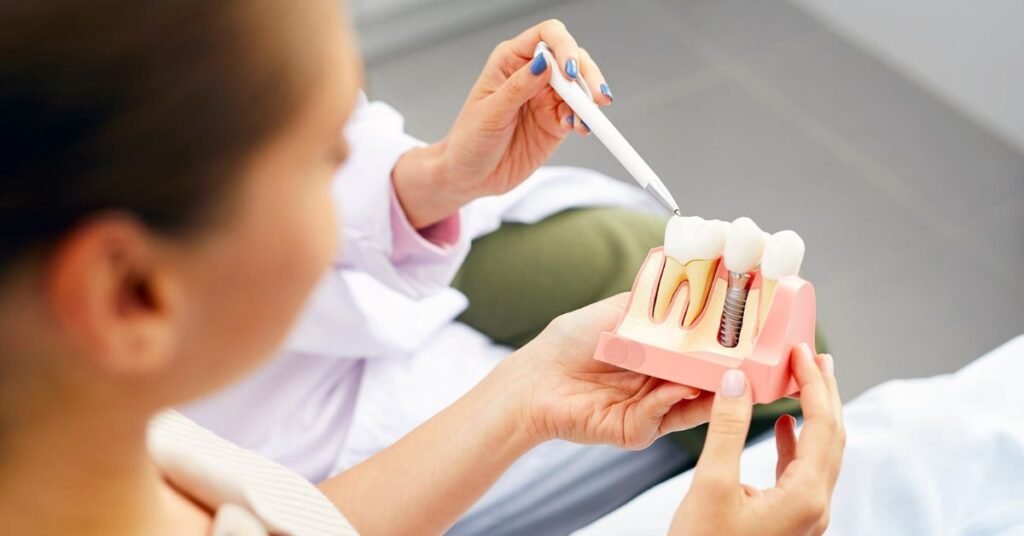
Multiple dental implants are used to replace two or more missing teeth. Small implant posts are placed into the jawbone to act as artificial tooth roots. Once the implants have healed, replacement teeth are attached to restore the missing part of your smile.
Depending on the number and position of your missing teeth, treatment may involve individual implant-supported crowns or an implant-supported bridge.
Importantly, you do not always need one implant for every missing tooth. In suitable cases, two or more implants can support a bridge that replaces several teeth together.
Your treatment plan will depend on your jawbone condition, the number of missing teeth and your overall oral health.
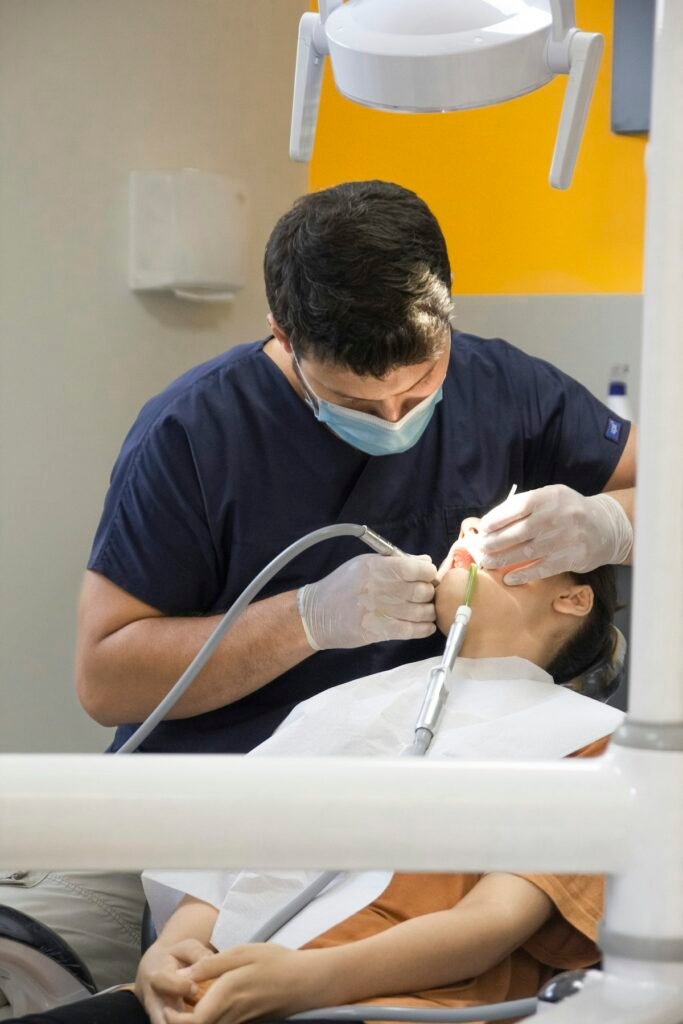
You may wish to consider multiple dental implants if you:
A dental implant assessment will help determine whether this treatment is suitable for you.
There are different ways to replace several missing teeth using dental implants. The most suitable option will depend on your individual circumstances.
Option 1
If you have missing teeth in separate areas of your mouth, individual dental implants with crowns may be an option.
Each implant supports a replacement crown designed to match the appearance of your surrounding teeth. This approach can replace missing teeth without relying on neighbouring natural teeth for support.
Option 2
If you have several consecutive missing teeth, an implant-supported bridge may be suitable.
Instead of placing an implant for every missing tooth, a number of strategically positioned implants support a connected row of replacement teeth.
This can provide a fixed alternative to a traditional removable partial denture.
Option 3
If you have lost many teeth, a more extensive implant treatment plan may be required.
Depending on your oral health and the condition of your jawbone, several implants may be used to support larger sections of replacement teeth.
Your dentist will assess whether individual implants, implant-supported bridges or another full-arch solution is appropriate.
Replacing several missing teeth with dental implants can offer several practical and aesthetic benefits.
Missing teeth can make eating certain foods difficult. Implant-supported replacement teeth provide a stable chewing surface, helping you enjoy a wider range of foods.
Replacement teeth are designed to complement your natural teeth. This can help restore the appearance of your smile and improve confidence when speaking or smiling.
Unlike conventional removable partial dentures, implant-supported bridges can remain securely in place. You do not need to remove a fixed bridge for everyday cleaning.
An implant-supported bridge is anchored by dental implants rather than relying on neighbouring natural teeth for support.
Dental implants replace missing tooth roots and provide support for replacement teeth. Good oral hygiene and regular professional maintenance are essential to help protect your implants and surrounding gums.
Your treatment journey will be planned according to your dental condition and the number of teeth being replaced.
Step 1
Your journey begins with a consultation. We will discuss your dental concerns, medical history and expectations from treatment.
Your dentist will examine your mouth and assess your suitability for dental implants.
Step 2
Dental imaging, including a CT scan where appropriate, may be required to assess your jawbone and identify suitable implant positions.
This helps your dentist plan the number of implants required and the type of replacement teeth best suited to your needs.
Step 3
The dental implants are placed into your jawbone during a planned surgical procedure, usually under local anaesthetic.
The number of implants and the length of the appointment will depend on the complexity of your treatment.
Step 4
After placement, the implants need time to integrate with the surrounding jawbone. This healing period allows the implants to become stable enough to support the replacement teeth.
Temporary teeth may be discussed where appropriate.
Step 5
Once healing is satisfactory, your custom-made crowns or implant-supported bridge can be fitted.
Your dentist will check the fit, bite and appearance to ensure the replacement teeth are comfortable and function properly.
Many adults with missing teeth may be suitable for multiple dental implants, but an individual assessment is necessary.
Your suitability may depend on:
If you do not have sufficient bone in the proposed implant area, additional procedures such as bone grafting may be considered.
Even if you have been missing teeth for several years, it is worth arranging an assessment to understand your available options.
If you are missing several teeth, you may be considering either dental implants or traditional removable dentures.
Both options can replace missing teeth, but they work differently.
Feature
Multiple Dental Implants
Traditional Partial Dentures
Stability
Fixed when using an implant-supported bridge
Removable and may move
Removal
Fixed bridges are not removed by the patient
Removed for cleaning
Support
Anchored to dental implants
Supported by gums and sometimes remaining teeth
Chewing
Provides a stable replacement chewing surface
May require an adjustment period
Maintenance
Requires daily cleaning and professional reviews
Requires removal and separate cleaning
The right option will depend on your oral health, preferences and treatment requirements. Your dentist can explain the advantages and limitations of each approach.
The cost of multiple dental implants depends on several factors, including:
Not every missing tooth requires a separate implant, so the overall cost will depend on your treatment design.
At Dental Implant Liverpool, we recommend an individual consultation to understand your requirements and provide a treatment plan with the associated costs.
Book your dental implant consultation to discuss your options and receive a personalised treatment estimate.
Dental implants need ongoing care, just like natural teeth. Maintaining good oral hygiene is important for protecting the implants and the surrounding gum tissue.
We recommend:
With appropriate care and regular professional maintenance, dental implants can provide a long-term tooth replacement option.


Choosing dental implant treatment is an important decision. It is essential to understand your options, the treatment process and the ongoing care involved.
At Dental Implant Liverpool, our approach focuses on assessing your dental needs and planning suitable replacement teeth around your individual circumstances.
Whether you need to replace two missing teeth or several teeth across your mouth, an implant consultation can help you understand the available solutions.
We will discuss your concerns, explain the proposed treatment stages and help you make an informed decision about your smile.
Yes. Several missing teeth can be replaced using individual implant-supported crowns or an implant-supported bridge. The most suitable approach depends on the position and number of missing teeth, as well as your jawbone condition.
No. You do not necessarily need one implant for each missing tooth. In suitable cases, two or more implants can support a bridge that replaces several teeth. Your dentist will determine the appropriate number of implants following an assessment.
Treatment time varies depending on the number of implants, your healing response and whether additional procedures are needed. Implant healing can take several weeks to months before the final replacement teeth are fitted.
Implant placement is generally carried out under local anaesthetic to numb the treatment area. You may experience some swelling, tenderness or discomfort after the procedure. Your dentist will explain how to manage recovery and what to expect.
Possibly. If there is insufficient jawbone to support implants, procedures such as bone grafting may be considered. Your suitability will depend on the amount and location of bone loss.
Both options have advantages and limitations. Dental implants can support fixed replacement teeth, while traditional dentures are removable. The best option depends on your oral health, preferences and treatment requirements.
Dental implants can provide a long-term tooth replacement solution, but their longevity varies between patients. Good oral hygiene, healthy gums, regular dental reviews and appropriate maintenance are important for their long-term success.
You will usually need to follow a soft-food diet during the initial healing period, as advised by your dentist. Once your final replacement teeth are fitted and you have recovered, you can gradually return to a wider range of foods.
Smoking can affect healing and increase the risk of implant complications. Your dentist will discuss the risks and may recommend stopping smoking before and after implant surgery.
The cost depends on the number of implants, type of restoration and any additional procedures required. A consultation and examination are needed to provide an accurate treatment estimate.
Missing several teeth does not mean you have to live with gaps in your smile or struggle with everyday eating.
Multiple dental implants may provide a stable and natural-looking way to replace missing teeth and restore your confidence.
Speak to our team at Dental Implant Liverpool to explore your options and find out whether multiple dental implants are suitable for you.