Dental Implant Treatment in Liverpool
Missing a tooth? A single dental implant can provide a secure, fixed replacement designed to look and function like your natural tooth.
At Dental Implant Liverpool, we offer personalised single tooth replacement treatment to help restore your smile, chewing ability and confidence. Whether you have lost a front tooth or a back tooth, we can assess your needs and discuss the most suitable treatment options.
Single Dental Implant Treatment
From £2,500
Front tooth implants from £3,200. Subject to clinical assessment.
Treatment planned around your individual dental needs.
Custom-made crowns designed to complement your smile.
Appropriate imaging to assess your teeth and jawbone.
Understand your proposed treatment and costs before proceeding.
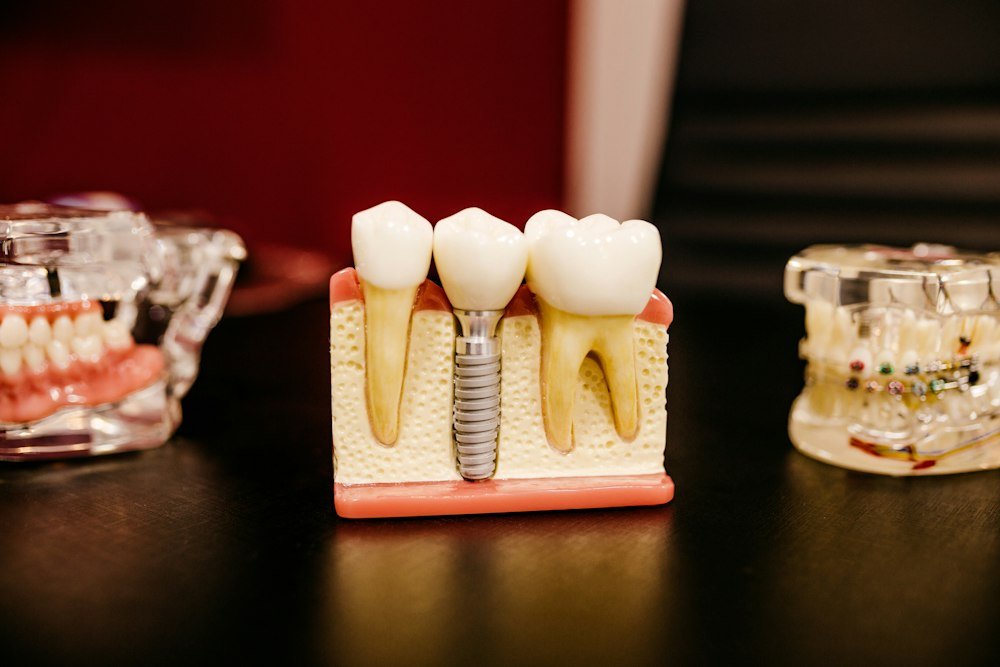
A single dental implant is a fixed solution for replacing one missing tooth. It consists of a small implant post placed into the jawbone, which supports a custom-made replacement crown.
Unlike a removable denture, a single dental implant is designed to stay securely in place. It replaces the missing tooth root as well as the visible part of the tooth, helping restore everyday functions such as eating and speaking.
A single tooth implant has three main components:
The implant is usually made from titanium and is placed into the jawbone to act as an artificial tooth root.
The abutment connects the implant to the replacement crown and provides support for the final restoration.
The crown is the visible replacement tooth. It is individually designed to match the shape, size and shade of your surrounding teeth.
Together, these components provide a fixed replacement designed to blend naturally with your existing smile.
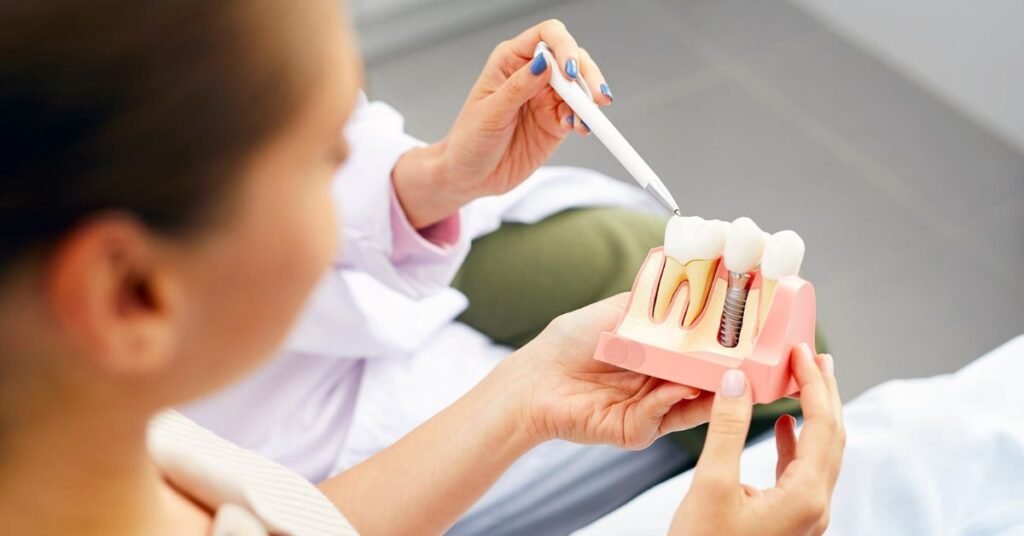
Replacing a missing tooth can help protect your oral health and restore your confidence. A single dental implant offers several advantages over leaving a gap or choosing certain traditional replacement options.
A custom-made crown is designed to complement your natural teeth, helping your replacement tooth blend into your smile.
A single implant is supported by the jawbone rather than neighbouring teeth, so healthy adjacent teeth usually do not need to be altered.
Dental implants transfer biting forces to the surrounding bone, helping reduce the bone loss that can occur following tooth loss.
A securely fitted implant-supported crown can help restore comfortable biting and chewing function.
Unlike removable dentures, an implant-supported crown is designed to remain in place during everyday activities.
With good oral hygiene, regular dental reviews and appropriate maintenance, dental implants can provide a long-term solution for missing teeth.
Many adults who have lost one tooth may be suitable for dental implant treatment. However, every patient is different, and a clinical assessment is needed before treatment can be recommended.
You may be suitable for a single tooth implant if:
Losing a tooth can lead to gradual bone loss in the affected area. If there is not enough bone to support an implant, your dentist may discuss bone grafting or other suitable procedures.
Certain health conditions, medications and lifestyle factors can also influence implant treatment and healing.
An implant consultation can help assess your oral health, available bone and possible treatment options.
Replacing a missing tooth involves several stages, from your initial consultation to fitting your final replacement crown. Your dentist will explain each stage and provide a treatment plan based on your individual requirements.
Step 1
Your treatment starts with a detailed consultation. Your dentist will examine your teeth and gums, discuss your medical and dental history and assess the area where the tooth is missing.
X-rays or a 3D CBCT scan may be recommended to examine your jawbone and plan the implant position.
You will receive a personalised treatment plan outlining the recommended procedure, expected timescale and costs.
Step 2
The dental implant is carefully positioned in your jawbone under local anaesthetic.
The implant acts as an artificial tooth root and provides the foundation for your replacement crown. Your dentist will provide instructions to help you care for the treated area following the procedure.
Step 3
Following placement, the implant needs time to integrate with the surrounding jawbone. This process is known as osseointegration.
Healing commonly takes around three to six months, although the exact period depends on your bone quality and individual healing requirements.
Step 4
Once the implant has integrated sufficiently, an abutment and custom-made crown are fitted.
The crown is designed to complement your natural teeth, with attention given to its shape, size, colour and bite.
Step 5
After treatment, regular dental appointments and good oral hygiene are important for maintaining the health of your implant.
Your dentist will explain how to clean around the replacement tooth and monitor the surrounding gums.
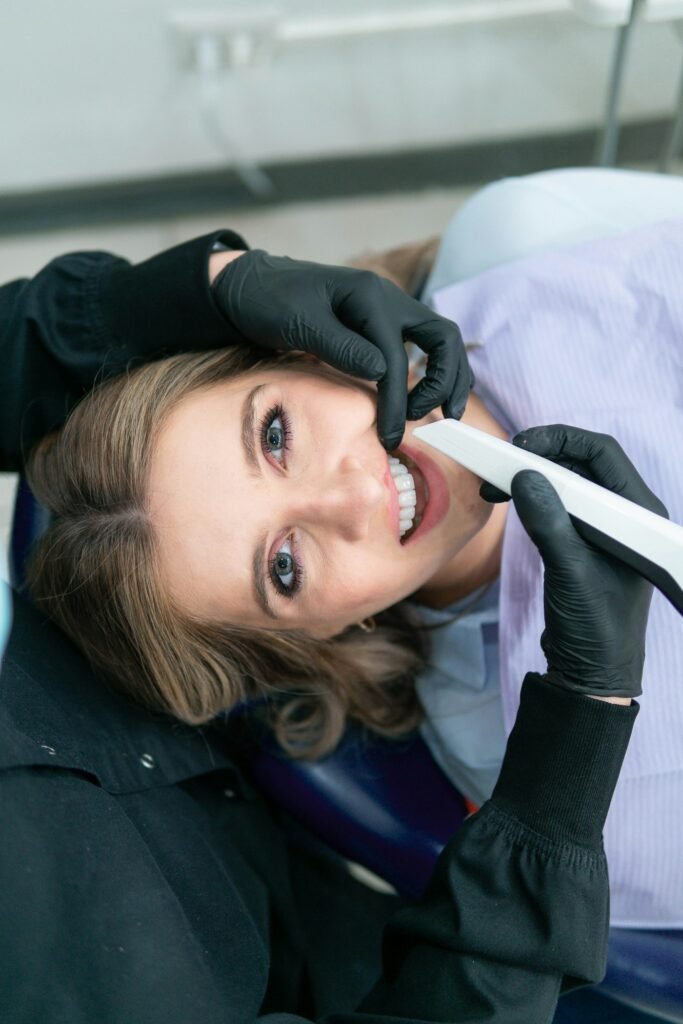
Losing a front tooth can affect your confidence because it is visible when you smile, speak and interact with others.
A single front tooth dental implant offers a fixed replacement designed to restore the appearance of your smile while providing everyday function.
Front tooth implant treatment requires careful planning to achieve a balanced, natural-looking result.
Your dentist will consider several factors, including:
If you have lost a front tooth, an assessment can help determine whether a dental implant is a suitable option.
The cost of a single dental implant depends on the complexity of your case, the condition of your jawbone and the type of replacement crown required.
At Dental Implant Liverpool, our treatment prices start from:
£2,500
Starting price
£3,200
Starting price
Your treatment costs will depend on your individual clinical requirements.
Several factors can influence the final treatment cost:
Bone grafting is an additional procedure that may be recommended if there is insufficient bone to support an implant. Whether you need it will depend on your clinical assessment.
No two implant cases are exactly the same. Your dentist will assess your requirements and provide a treatment plan with a clear breakdown of the proposed costs before you decide to proceed.
If you have lost one tooth, a dental implant and a traditional dental bridge are two possible replacement options.
Both can restore the appearance and function of your smile, but they work in different ways.
Feature
Single dental implant
Dental bridge
Support
Jawbone
Usually neighbouring teeth
Replaces tooth root
Yes
No
Affects neighbouring teeth
Usually no preparation needed
Supporting teeth usually require preparation
Removable
No, fixed restoration
No, fixed restoration
Bone stimulation
Helps stimulate the surrounding bone
Does not replace the missing root
Maintenance
Requires careful cleaning around the implant
Requires careful cleaning beneath the bridge
A dental implant may be suitable if you want an independently supported replacement without preparing neighbouring healthy teeth.
A dental bridge may be appropriate in certain situations, particularly when the adjacent teeth already require crowns.
The best option depends on your oral health, the condition of your surrounding teeth, your jawbone and your treatment preferences.
Your dentist can explain the benefits, limitations and costs of each option to help you make an informed decision.
Looking after your dental implant is important for maintaining healthy gums and protecting the surrounding bone.
Although an implant cannot develop tooth decay, the tissues around it can still be affected by inflammation and infection.
Following these simple habits can help maintain your implant:
Brush your teeth twice daily with fluoride toothpaste, paying particular attention to the area around your implant crown.
Use interdental brushes or other cleaning aids recommended by your dentist to remove plaque from areas your toothbrush cannot reach.
Routine dental examinations help your dentist monitor your implant, surrounding gums and overall oral health.
Good oral hygiene and professional hygiene appointments can help reduce the risk of gum inflammation around your implant.
Smoking can affect healing and increase the risk of implant complications. Your dental team can advise you about reducing or stopping smoking.
If you notice bleeding, swelling, discomfort or movement around your implant, contact your dental practice for an assessment.
Choosing dental implant treatment is an important decision. Understanding the procedure, available options and expected results can help you feel more confident about moving forward.
At Dental Implant Liverpool, our approach focuses on understanding your dental needs and planning treatment around your individual circumstances.
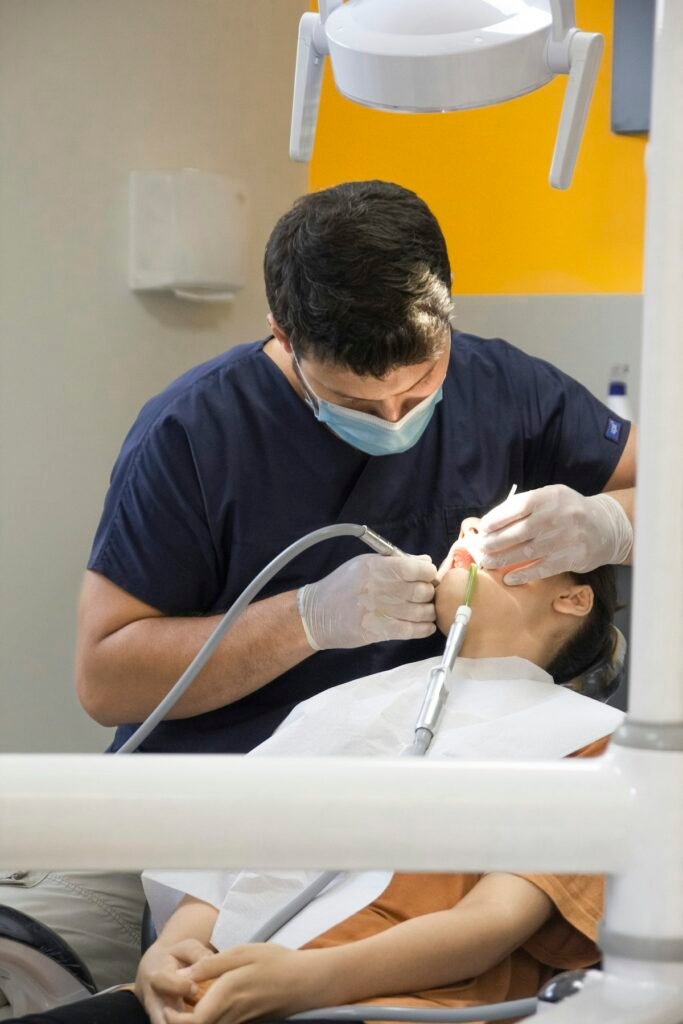
Your treatment plan is based on your oral health, jawbone condition and tooth replacement requirements.
Your dentist will assess your teeth, gums and available bone before recommending implant treatment.
Your replacement crown is designed to complement your existing teeth and smile.
We explain the proposed treatment, expected timescale and costs so you can make an informed decision.
From consultation and implant placement to the final crown and aftercare, you will receive information about each stage of your treatment.
Speak to our team about single dental implant treatment in Liverpool.
A single dental implant starts from £2,500 at Dental Implant Liverpool. Front tooth implant treatment starts from £3,200. The final cost depends on your clinical requirements and whether additional procedures, such as bone grafting, are needed.
The complete process can take several months. Implant placement is usually completed in one appointment, followed by a healing period that commonly takes around three to six months before the final crown is fitted.
Implant placement is normally carried out under local anaesthetic, so the treatment area is numbed during the procedure. Some swelling, bruising or discomfort may occur afterwards, but your dentist will provide appropriate aftercare advice.
Yes. A single dental implant can replace a missing front tooth. Careful planning is particularly important to achieve a natural-looking result that complements your surrounding teeth and gums.
If there is insufficient jawbone to support an implant, your dentist may recommend bone grafting or discuss other suitable options. Imaging and clinical assessment will help determine the best approach.
Dental implants are designed for long-term use. Their lifespan depends on factors such as oral hygiene, gum health, smoking, general health and regular professional maintenance. The crown may need maintenance or replacement over time.
You will generally need to eat softer foods during the initial healing period and avoid putting excessive pressure on the implant site. Your dentist will advise you when you can return to your normal diet.
A dental implant replaces the missing tooth root and is independently supported by the jawbone. A traditional bridge relies on neighbouring teeth for support. Both options have advantages, and the right choice depends on your dental health and individual circumstances.
Smoking does not automatically rule out implant treatment, but it can affect healing and increase the risk of complications. Discuss your smoking habits with your dentist during your consultation.
You can contact Dental Implant Liverpool on 0151 709 5454 or email info@lovesmile.co.uk to arrange a consultation and discuss your treatment options.
You don’t have to live with a missing tooth. A single dental implant could help restore your smile, improve chewing function and provide a fixed replacement designed to look natural.
Arrange a consultation with Dental Implant Liverpool to discuss your dental health, explore your treatment options and understand the costs involved.
Take the first step towards restoring your smile.